


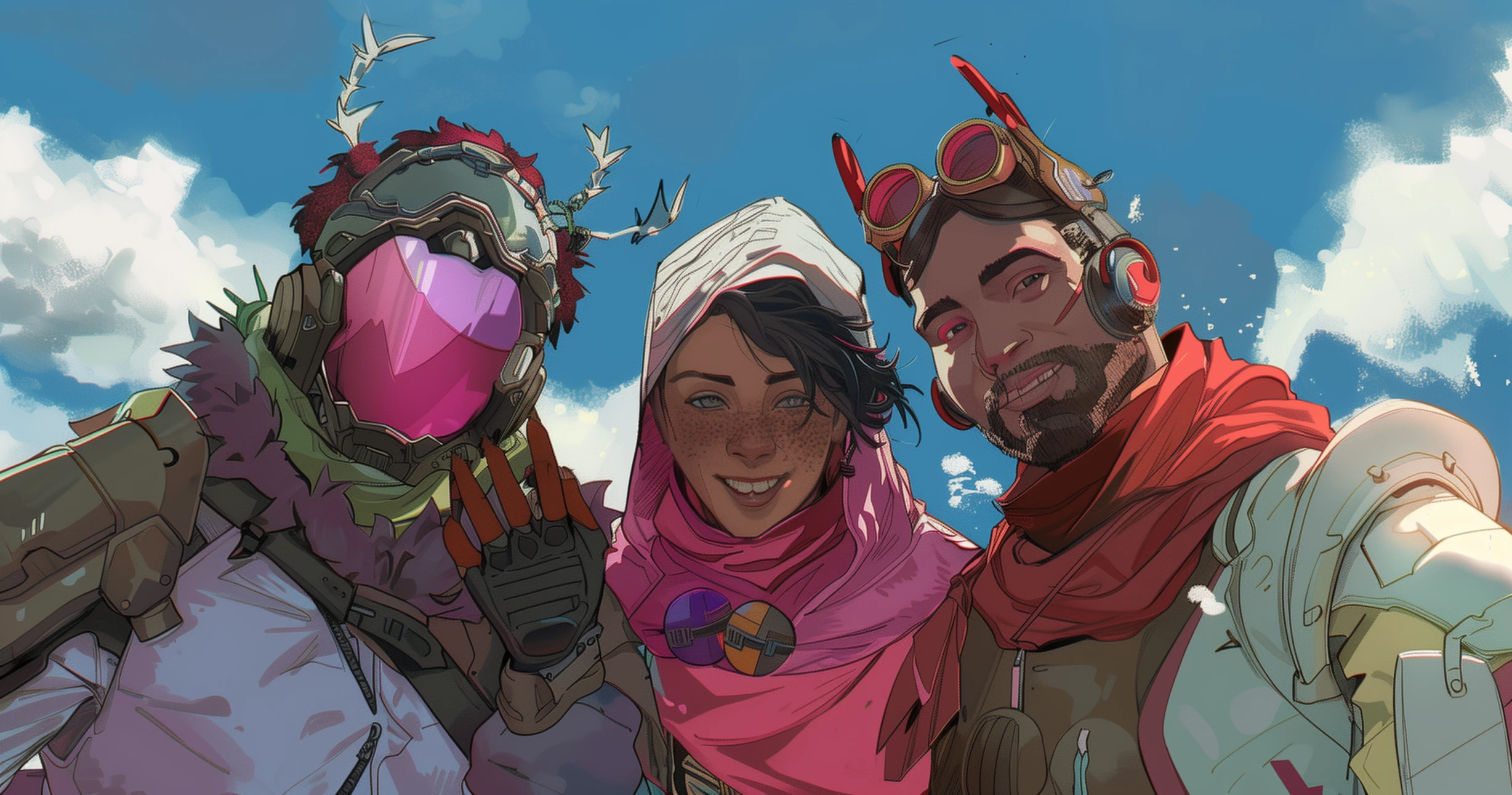
There are so many different types of gamers out there, which makes sense when you realize there are over 3.3 billion people who play games today (Newzoo, 2024). Each of them plays for their own reasons. Some chase goals, some explore until they hit the edge of the map, and others just want quick, relaxing fun. These differences come from a mix of player motivation and personality types, and once you understand them, a lot of things suddenly click.
You start to see why certain games explode with one group but flop with another. You understand why some players stick around for years while others drop off after a week. And if you work in gaming or marketing, knowing these archetypes makes it much easier to design experiences that actually resonate with people.
This article breaks down the eight core gamer archetypes you’ll see across mobile, console, and PC. Each one has its own mindset, its own habits, and its own reasons for picking up a game.
Once you know who you’re speaking to, it becomes much easier to design and market games that actually connect with players.


The Achiever
The Achiever loves seeing progress. Give them a goal, a meter, or a path to climb, and they light up. They check their stats often, track improvements, and feel great when a game shows exactly how far they’ve come.
Things like rank ladders, upgrade trees, rare rewards, or even a simple progress bar all pull them in because they want clear proof that their time means something.
They also enjoy pushing themselves.
When something feels tough but fair, they lean in and try again until they get it right. They replay missions to tighten their strategy, tweak their builds to squeeze out better results, and celebrate every small improvement. As long as the game lets them move forward in a noticeable way, even a short session feels worth it.
For them, the real fun comes from chasing a goal and hitting it.
Motivations
- Progress
- Mastery
- Completion
- Recognition
- Structure
- Challenge
Games They Like
Achievers gravitate to games with clear systems that reward growth. Here are common favorites:
- League of Legends
- Valorant
- Clash Royale
- Apex Legends
- Genshin Impact
- Diablo Immortal
- Path of Exile
- Fortnite
- Destiny 2
- Call of Duty Mobile
How Marketers Can Reach Them
For Achievers, highlight the systems that reward dedication. Show progression paths, upgrade menus, rank ladders, and anything that proves steady growth. Use before and after comparisons when possible, because they quickly communicate how far a player can advance.
Show long term goals early in your messaging. Display mastery tracks, seasonal rewards, or achievement badges in trailers and screenshots. This helps Achievers understand the journey ahead, and it gives them a clear reason to invest time in a new game because they see exactly what is worth chasing.
Use language that speaks to advancement. Focus on concrete accomplishments and avoid vague promises. Achievers want to feel that their time leads to something meaningful, so call attention to features that create tangible progression.
If your game includes rare cosmetics, difficult unlocks, or high tier achievements, put them in front of the audience. Even a short clip of a rare skin or a completed challenge map signals the level of commitment your game supports.
These cues help Achievers assess whether the game offers valuable rewards for long term play.

The Companion
The Companion sticks around for the people. They jump into games because it gives them a place to hang out, catch up, and share fun moments with others.
A great session for them isn’t about top scores. It’s about laughing with a squad, helping a friend finish a quest, or pulling off something cool together. Any game that makes it easy to connect, chat, or play side by side immediately feels better to them.
Teamwork comes naturally to this archetype. They enjoy games that feel smoother when everyone communicates or takes on different roles. If their friends are active in a game, they’ll show up consistently, invite others in, and often be the one who keeps the group organized. When a game offers steady social energy, shared goals, or little moments that bring people together, the Companion feels right at home.
Motivations
- Belonging
- Friendship
- Cooperation
- Shared goals
- Community
- Group success
Games They Like
Companions enjoy games that make it easy to play together and stay connected. Popular examples include multiplayer and co-op games like:
- Fortnite
- Minecraft
- Among Us
- Rocket League
- Final Fantasy XIV
- Call of Duty Warzone
- Apex Legends
- Roblox
- Overwatch 2
- It Takes Two
How Marketers Can Reach Them
For Companions, highlight features that bring people together. Show co-op missions, shared rewards, guilds, squads, or anything that helps friends stay connected. Make the social structure visible in your trailers and game ads, because players in this group want to see how easily they can play with others.
Show active communities. Display in game events, group achievements, or clips of coordinated team play. This signals that your game has a strong social backbone, and Companions are drawn to that. They want to join communities that feel alive and welcoming.
Use language that emphasizes togetherness.
Focus on phrases centered around team play, shared progress, or playing with friends. Companions want experiences that feel collaborative, so those angles stand out. Highlight systems that support long term social play, such as clans, parties, or persistent friend groups, because their loyalty grows around the people they play with.
If your game runs social events, has seasonal group activities, or encourages co-op progression, put that front and center. Even a quick clip of a coordinated team moment signals the type of environment they love.
Companions judge games by how well they support group play, so showing those features early is key.

The Competitor
The Competitor lives for moments where skill decides everything. A tight match, a smart outplay, a perfect combo under pressure, that’s what gets them excited. They watch for balance and fairness, and they notice when a game treats every player equally. When precision matters, they lock in. When quick decisions can flip a fight, they’re fully awake.
Learning is a big part of the fun for this archetype.
They dig into metas, compare strategies, and study their own gameplay to figure out what went wrong or what went right. A good match teaches them something. A bad match pushes them to try again.
Once they find a game that rewards sharp mechanics and steady improvement, they go all in. They want a long climb, a real challenge, and a constant chance to show how good they can get.
Motivations
- Skill
- Fairness
- Challenge
- Improvement
- Competition
- Precision
Games They Like
Competitors enjoy games that push them. They gravitate toward games like:
- Valorant
- Counter Strike 2
- Apex Legends
- Fortnite
- Street Fighter 6
- Rocket League
- League of Legends
- PUBG Mobile
- Call of Duty Warzone
- Overwatch 2
These games offer tools that support consistent performance improvement.
How Marketers Can Reach Them
If you want to catch a Competitor’s attention, show real skill moments.
Think of clips where someone hits a tight flick shot, lands a perfect combo, or outplays an opponent with a smart move. These players want to see actual mastery on screen, not flashy edits. Even a three second moment can make them stop and pay attention.
Lean into fairness. If your game has good matchmaking or balanced characters, make that clear. You can even show short comparisons, like how quick the queue is or how stable the ping looks. Competitors stick around when a game feels honest, so highlight anything that proves the match is decided by skill.
Use trailers that show progression through ranked modes.
Show the climb, the tension, and the reward. A clip of someone moving from silver to gold can be more powerful than a big cinematic trailer because Competitors instantly understand the grind. They want a game that lets them measure improvement.
Create ads that focus on tight gameplay. For example, show a player winning with one hit left, clutching a three on one, or making a smart rotation. These moments communicate the depth of your game better than any tagline. Competitors want to know that your game offers moments worth grinding for.
If your game runs tournaments or community challenges, feature them often.
Even small weekly events matter. Show players competing, cheering, or celebrating a win. You are not just promoting a feature. You are signaling that your game supports real competitive energy, which is exactly what they look for.

The Wanderer
Curiosity drives this type of gamer more than anything else. New areas, strange corners of the map, and unexpected interactions pull them in immediately.
Instead of rushing through objectives, a Wanderer often drifts off the main path just to see what the world is hiding. Small visual details matter to them, as do interesting landmarks, hidden rooms, and anything that hints at a larger world beyond what the game explains. Exploration feels more rewarding than a checklist, which is why open structure games hold their attention much longer.
A living world keeps this type of player hooked.
Sudden weather changes, surprising NPC behaviors, or a quiet area tucked between two big story beats all make the experience feel richer. Finishing the game is never the goal. They prefer slow moments, odd side stories, and the joy of stumbling into something unexpected. Give them a world that evolves or expands, and they keep coming back just to see what changed.
Motivations
- Exploration
- Discovery
- Curiosity
- Freedom
- Atmosphere
- Surprise
Games They Like
Wanderers choose games with large worlds, hidden details, and room to roam. Common favorites include:
- The Legend of Zelda Breath of the Wild
- Genshin Impact
- Elden Ring
- Skyrim
- Minecraft
- No Man’s Sky
- Red Dead Redemption 2
- Horizon Zero Dawn
- Sea of Thieves
- Assassin’s Creed Odyssey
These games reward players who follow their curiosity and enjoy open ended exploration.
How Marketers Can Reach Them
To reach Wanderers, focus on the world, not the grind. Show wide open spaces, different biomes, and areas filled with personality. These players want to imagine themselves inside your world, so highlight scenes that feel atmospheric.
A quiet forest, a strange cave entrance, or a glowing path in the distance instantly pulls in someone who loves environment driven play.
Use ads that feel like a small journey. Instead of fast cuts, try a slow camera glide through a beautiful landscape or a short clip of a player discovering something unexpected.
Show moments that feel organic, like stumbling onto a hidden room or finding a creature tucked away in a corner. Wanderers respond to gentle discovery more than action.
Feature your world’s surprises. If your game has unusual landmarks, hidden puzzles, or secret pathways, tease a few of them. You do not have to explain what they are. The mystery itself does the work. Wanderers enjoy the feeling of “I want to check that out,” so keep your ads light and let the visuals spark simple curiosity.
Show variety. Demonstrate that your world has deserts, snowy peaks, cozy towns, alien ruins, or anything else that helps players imagine the adventure ahead. This group wants environments that feel fresh and worth exploring. When you highlight the range in your world, you signal that the game supports rich, ongoing exploration.

The Casual Player
The Casual Player shows up for light fun. They aren’t trying to master anything or chase big goals. A game is something they pick up during a break, on the couch, or when they want a little distraction. If the controls feel smooth and the loop is simple, they’re in. If a game asks for too much effort or attention, they bounce without a second thought.
They also like play sessions that fit their life.
Short levels, quick matches, and low-pressure mechanics work well for them. They don’t need deep systems or complex builds. What they want is something that feels good right away. If a game gives them quick wins or small rewards without demanding a lot in return, they’ll keep coming back whenever they have a spare minute.
Motivations
- Relaxation
- Convenience
- Low commitment
- Simple rewards
- Stress free play
- Short sessions
Games They Like
Casual Players lean toward easygoing titles that get straight to the fun. Common picks include:
- Candy Crush Saga
- Subway Surfers
- Stumble Guys
- Angry Birds
- Merge Mansion
- Words With Friends
- Temple Run
- Hill Climb Racing
- Homescapes
How Marketers Can Reach Them
Start by showing how simple the game feels. A quick clip of someone finishing a level, dodging a few obstacles, or solving a basic puzzle is enough. This audience doesn’t want a tutorial. They want to see that they can grab the game, play instantly, and enjoy it without thinking too hard.
Lean into convenience. Highlight short match times, offline play, or features that work well on the go. If the game offers small rewards or satisfying visual feedback, show those moments. A clean animation after a good move or a cheerful sound when something matches can sell the entire experience to a casual player.
Keep the messaging light. Talk about quick fun, easy progress, or “play whenever you feel like it” vibes.
If your game has daily rewards or simple progression, bring that forward, but don’t make it sound demanding. This group wants comfort, not commitment. When the ad feels breezy and welcoming, it’s much easier for them to imagine the game fitting into their day.

The Collector
The Collector loves completing sets, filling galleries, and showing off rare finds.
Anything shiny, limited, or hard to get immediately grabs their attention. They enjoy hunting down cosmetics, unlocking characters, gathering outfits, or grabbing seasonal exclusives. In their mind, the bigger the collection, the better the story it tells. A good game gives them plenty to chase and something cool to display when they’re done.
This archetype also enjoys the journey of collecting itself.
They like checking what they’re missing, comparing items with friends, or waiting for a new drop so they can jump back in. Completion feels satisfying, but the real excitement comes from finding the next piece. Give them a game with rotating content or a steady drip of new items, and they’ll be the first to log in and see what’s new.
Motivations
- Completion
- Rarity
- Status
- Personal expression
- Long-term collecting
- Unlocking items
Games They Like
Collectors gravitate to games that offer tons of cosmetics, loot, or unlockables. They often play:
- Fortnite
- Genshin Impact
- Pokémon Go
- Destiny 2
- Warframe
- Apex Legends
- Marvel Snap
- Animal Crossing New Horizons
- Hearthstone
- FIFA Ultimate Team
How Marketers Can Reach Them
Show the goods. This group wants to see skins, mounts, weapons, characters, stickers, whatever your game offers.
Make the items look desirable and make sure the presentation feels clean. If something is rare or limited, say it clearly. A Collector loves knowing they can grab something special before it disappears.
Highlight variety. Show a few different styles or themes so they can imagine how they would customize their experience. If your game offers seasonal drops or rotating shops, tease the upcoming content. A simple “new items every week” message can be enough to hook someone who enjoys collecting.
Let your ads focus on the thrill of the hunt.
Small clips of opening loot, unlocking a rare item, or completing a set can be extremely effective. Collectors respond to the excitement of discovery. They want to know the game gives them endless things to chase, display, and brag about. When you show that clearly, they’re in.

The Dreamer
The Dreamer plays for emotion and atmosphere. A good story, a beautiful world, or a memorable character can pull them in faster than any gameplay loop. They love games that make them feel something, whether it’s wonder, sadness, excitement, or nostalgia.
If the art style speaks to them or the music sets the right mood, they’re hooked before the tutorial even ends.
This type of player pays attention to small details. They notice lighting in a quiet forest, a subtle animation a character does when they’re idle, or a piece of lore tucked away in a corner. These types of players don’t rush through content.
Instead, they prefer taking their time, soaking in the world, and enjoying scenes that stick with them long after they stop playing. For them, a great game is one that feels like a place worth visiting.
Motivations
- Story
- Atmosphere
- Emotion
- Characters
- Art style
- Worldbuilding
Games They Like
Dreamers enjoy games that offer memorable worlds, strong narratives, or emotional storytelling. They often gravitate toward:
- Journey
- Gris
- Life Is Strange
- Firewatch
- Stardew Valley
- Spiritfarer
- Sky Children of the Light
- Ori and the Blind Forest
- The Last Guardian
- Monument Valley
How Marketers Can Reach Them
Focus on the mood first. Show a moment that feels beautiful, calm, dramatic, or emotional. Dreamers want to get a sense of the world before anything else. A short cinematic shot, a meaningful line of dialogue, or a striking visual can do more for them than a full action montage.
Give them a glimpse of the story. Tease a relationship, a mystery, or a moment of conflict. You don’t need to explain the entire plot. Dreamers like feeling curious about what comes next. A single line like “She never thought she’d return” can set the tone and spark interest.
Lean on visuals and sound. If your game has unique art direction, soft music, or strong environmental design, let those elements sit in your ads without rushing. Dreamers connect with games that feel crafted with intention. When they see care in the world and characters, they want to experience it themselves.
Marketing to this archetype works best when you let the game breathe. Slow pacing, emotional beats, and strong narrative help them imagine what it feels like to spend time in your world. Show that clearly, and they’ll be interested before they ever see the gameplay.

The Strategist
The Strategist loves figuring things out. They look at a game and immediately start thinking about builds, strategies, resource routes, or team compositions. If something has depth, they’ll find it.
They get a kick out of solving problems, optimizing systems, and discovering clever ways to handle tough situations. A good challenge doesn’t scare them off. It pulls them in.
This player type enjoys experimenting.
They tweak setups, test different approaches, and keep track of what works and what doesn’t. When the game gives them room to think, they feel at home. They’re usually the ones explaining mechanics to others or sharing tips because they’ve already tried five different ways to beat the same encounter. Games with layers keep them engaged for months because there’s always something new to refine.
Motivations
- Strategy
- Optimization
- Systems
- Problem solving
- Planning
- Smart decisions
Games They Like
Strategists enjoy titles that let them think, plan, and outsmart challenges. They often play:
- XCOM
- Civilization VI
- Baldur’s Gate 3
- Fire Emblem
- Into the Breach
- Teamfight Tactics
- Clash Royale
- Stellaris
- Slay the Spire
- Dota 2
How Marketers Can Reach Them
Show the systems. Give them a taste of the mechanics, the choices, and the depth. A quick clip of different builds, branching skill paths, or a strategic moment in combat instantly tells them the game has brains behind it. They don’t need a flashy trailer. They want to see the tools they can play with.
Highlight the challenge. Show an encounter or puzzle that looks tricky but fair. Strategists enjoy understanding how things work, so let them see the logic behind the action. If the game rewards smart planning or careful timing, bring that forward.
Examples help this group more than hype. Show a player switching strategies mid-fight. Two different ways to solve the same problem. Or show a clever combo that wipes out a tough enemy. These little demonstrations prove the game supports thinking, not just button-mashing.
If your game has deep builds, complex systems, or mechanics that interact in interesting ways, don’t hide them. This archetype gets excited when they realize how much there is to explore under the hood. When you make that depth visible, the Strategist immediately starts imagining all the ways they can break it in the best possible way.
Final Thoughts on Different Types of Gamers
Understanding the different types of gamers helps you see the bigger picture behind how people play.
Each archetype brings its own mindset, habits, and reasons for picking up a game. When you recognize these patterns, it’s much easier to design content, build features, or create marketing that actually matches what players care about.
No two gamers think the same way, but once you know what motivates them, everything from game design to communication becomes a whole lot clearer.


![Diablo Immortal Player Count, Revenue & Stats [2026]](/static/c49d22670ca3f6a2fe9ec7f2052d20c4/26b7d/diablo-immortal.webp)